Stop driving agent sessions. Approve finished work.

Coding agents write code fast, then hand you more to supervise: diffs to review, previews to test, follow-ups to write. Coroid is an AI software factory that takes that work off your plate and hands your team a pull request that has already been built, tested in a running browser and reviewed.

Projectcity-simTypeTaskAI profileBudgetNeeds review
Timelapse city block - Chrono City

Create a 3D scene of a city block. Emphasis on detail is very important. The scene must have a timeline slider in the top, with the following options: 1945, 1965, 1985, 2005 and 2025.

Agent workflow
ArchitectDone
DeveloperDone
QADone
ReviewerDone
Returned to developer

QA sent the first build back with two failed criteria. The developer fixed both and QA verified them again before the reviewer saw the work. No one prompted them in between.

Acceptance criteria
11 of 11 verified
  • 1. Loading the app immediately renders a live, detailed 3D city block with the timeline on topVerified OK
  • 2. Selecting any of the five years visibly transforms the scene instead of cuttingVerified OK
  • 3. After the transformation, everything on the block reflects the chosen yearVerified OK
  • 4. The five years are demonstrably distinct in every categoryVerified OK
Show all 11 criteria
Cycle 2 · 24 recent items
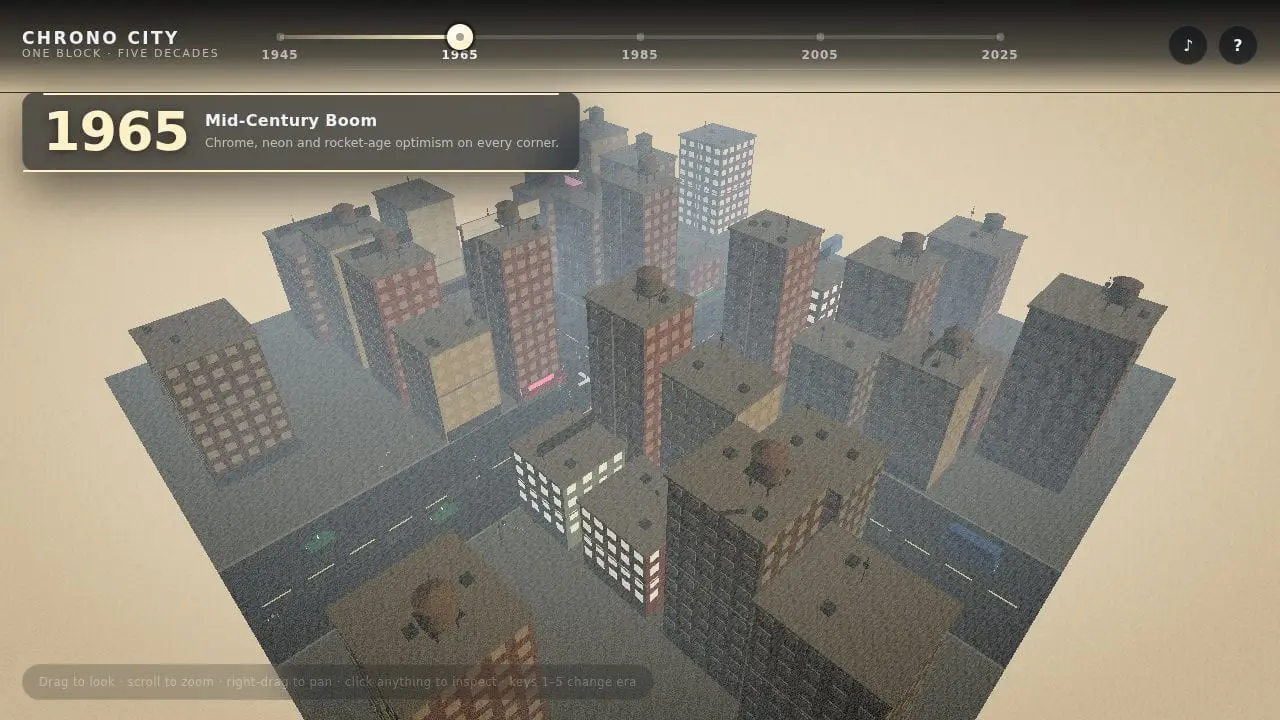
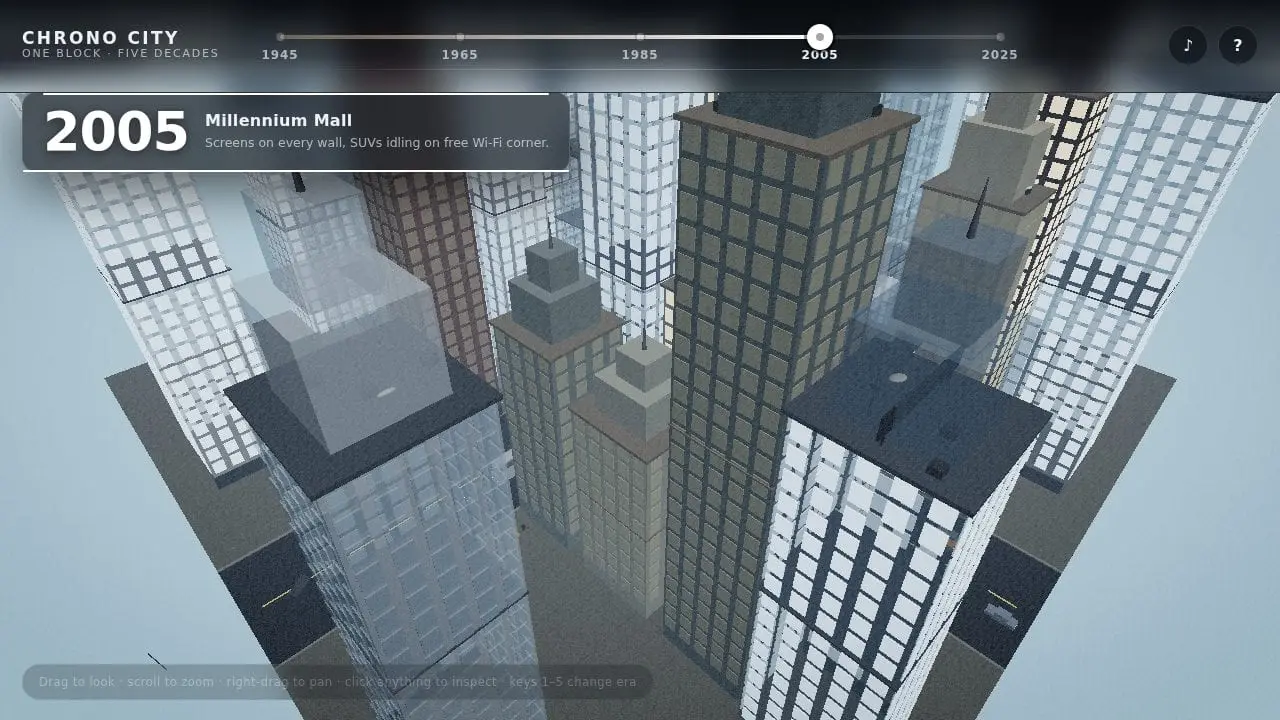
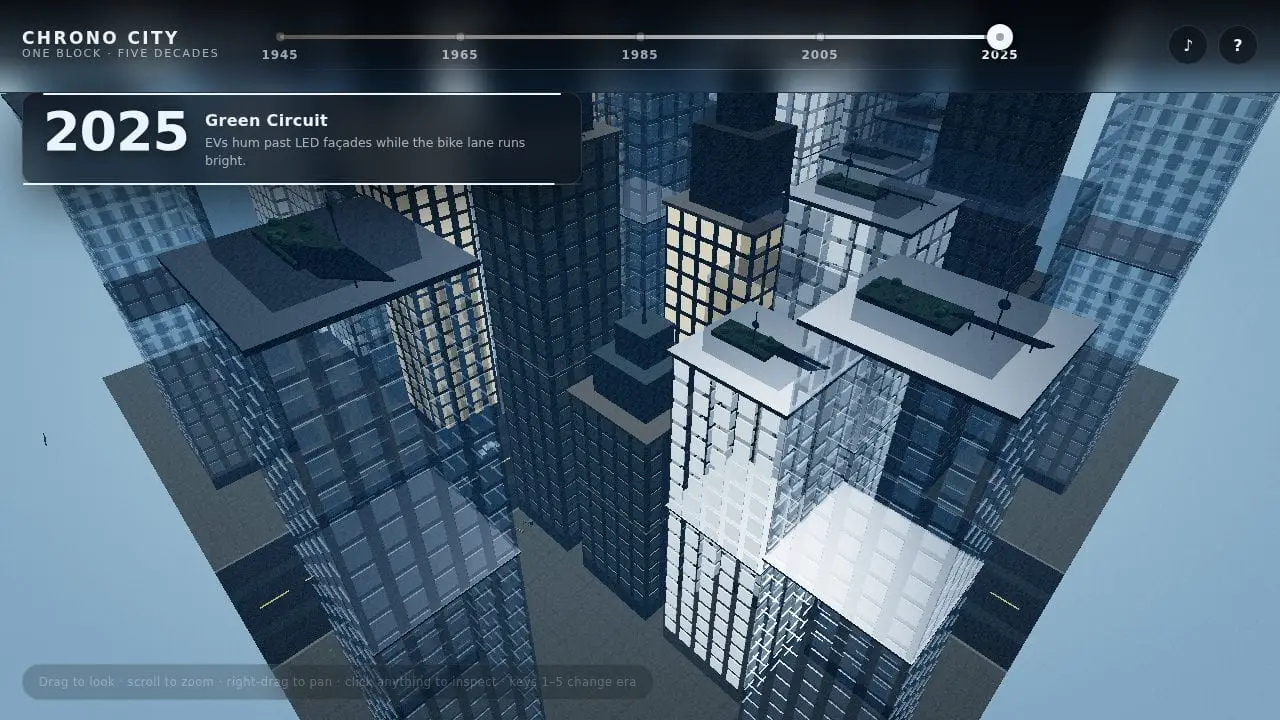
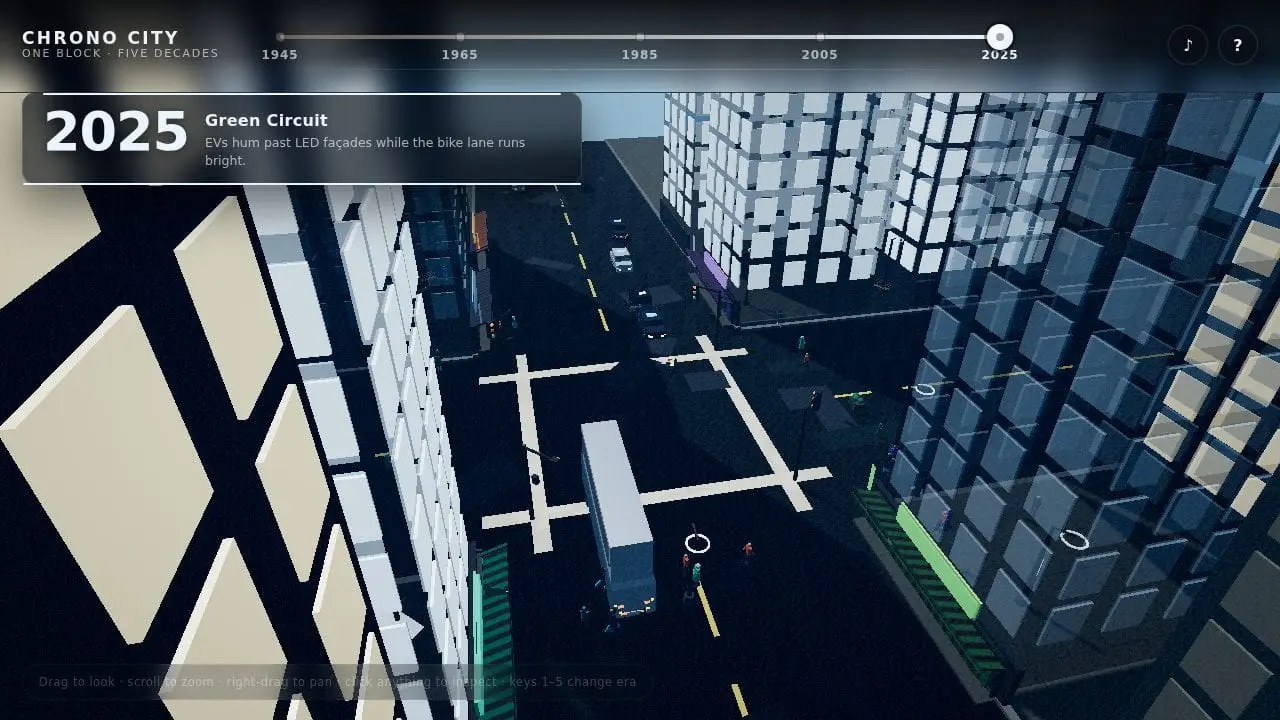
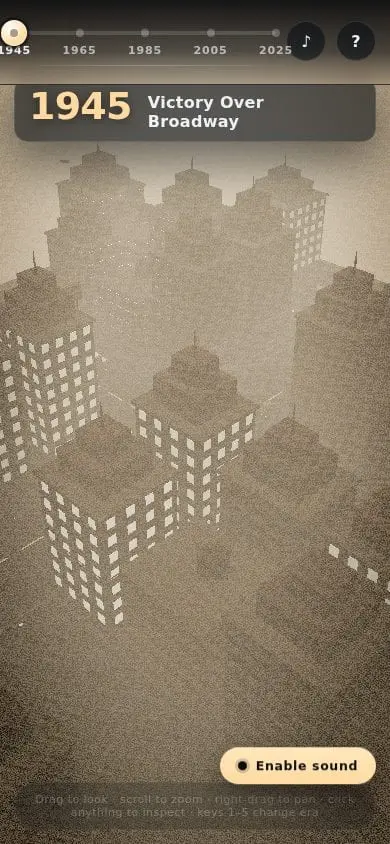
QA screenshot of the Chrono City blockQA screenshot of the Chrono City blockQA screenshot of the Chrono City blockQA screenshot of the Chrono City block
reviewer-decision.json
Execution trail
6 executions recorded
  1. Reviewer
    Reviewing code
    Completed
  2. QA
    Running tests
    Completed
  3. Developer
    Building
    Completed
  4. QA
    Running tests
    Sent back
  5. Developer
    Building
    Completed
  6. Architect
    Planning
    Completed
Pull requestopen
  • 11 of 11 criteria verified
  • QA passed on the second cycle
  • Reviewer approved
Model spend
US$1.00
Tokens
34.7m
Delivery cycles
2
Time to pull request
1 h 48 min
Review evidenceNeeds review

One task nobody had to drive

6 agent runs, 2 delivery cycles and all 11 acceptance criteria verified in under two hours, for 34.7m tokens and US$1.00 in model spend.

Recreated from a real task in Coroid. The screenshots are the QA agent’s own captures. The prompt comes from Bijan Bowen, who uses it to test AI models.

Read the Chrono City run

Cloud agents moved the session off your laptop. You are still in it.

A session, local or in the cloud, needs a person to run it, and the more you hand it, the more it hands back. You stay the bottleneck. Of the four jobs below, Coroid takes three and leaves you the one that should stay yours: the final call.

Picking the next piece of work
In an agent session, local or cloudSomeone stops what they are doing, chooses a task and writes the prompt. When they are busy, nothing starts.
In CoroidRequests, imported issues, hooks and schedules become specifications in one priority queue. Work starts as soon as an agent slot is free.
Testing what came back
In an agent session, local or cloudYou open the preview, click through it, find what is broken and write the follow-up prompt.
In CoroidA QA agent checks every acceptance criterion in a running build and sends failures back to the developer agent with screenshots.
Carrying the context
In an agent session, local or cloudEach new session knows what you remember to paste in. The reasoning stays in a transcript nobody reads again.
In CoroidThe specification, the plan and every run, failures included, stay attached to the work. Rework starts from what was already learned.
Deciding it is done
In an agent session, local or cloudWhoever reads the diff, relying on whatever tests the agent chose to run.
In CoroidYour quality policies decide what must pass. A person approves the merge, and only sees work that already passed.

Coroid is a software factory, not a better coding agent. It runs the line around the code, so your team’s attention goes to what gets built and what ships.

The first build looked done. QA clicked through it anyway.

In an agent session, you are the QA person for your own automation. You open the browser, click every year, spot what is broken and write the follow-up prompt, round after round. Here the QA agent did that work and sent the build back before anyone was asked to review it.

Acceptance criterion 3

One of the five eras rendered nothing
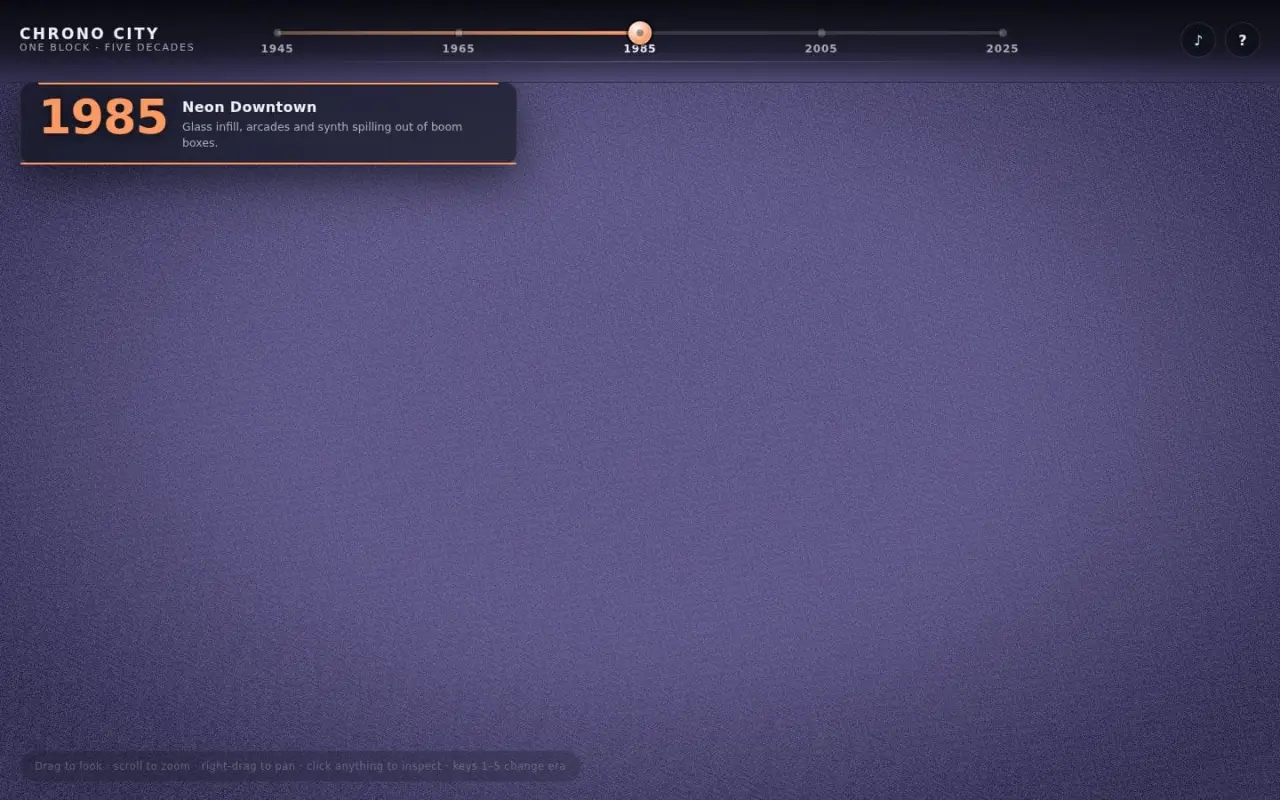
QA screenshot: 1985 is selected and the viewport is an empty purple field
Cycle 1 · QA failed

“Selecting 1985 renders no city: the viewport is a flat purple film-grain field while the HUD reports 1985. Reproduced three times.”

QA screenshot: the 1985 era rendered as a neon downtown
Cycle 2 · QA verified

1985 renders its full neon skyline, whether it is picked on the slider or with the 3 key.
Acceptance criterion 6

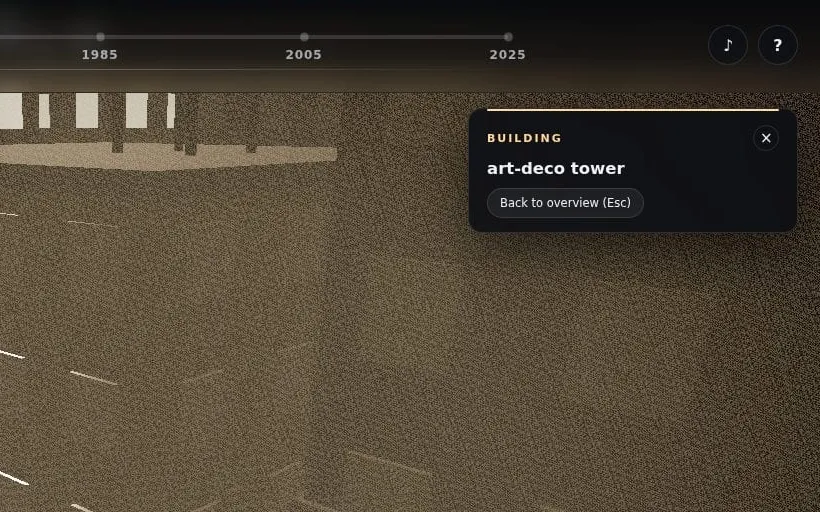
The info cards were empty

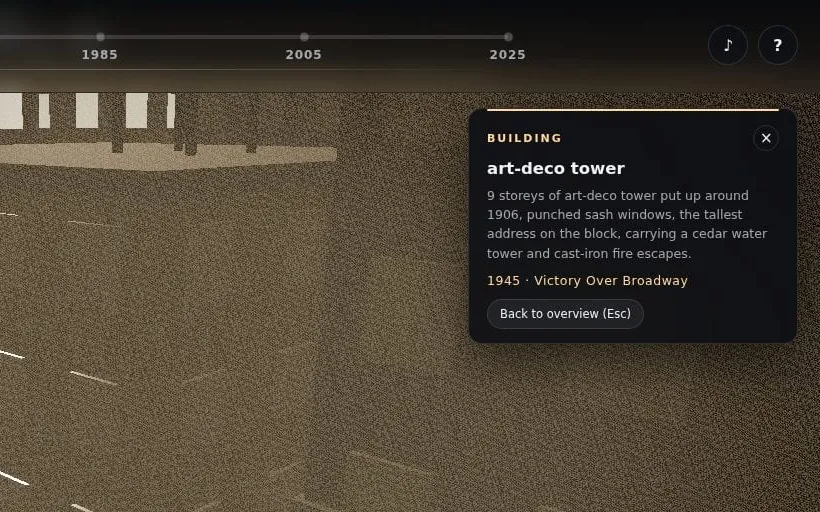
QA screenshot: a building info card with no description
Cycle 1 · QA failed

“Clicking a building flies the camera in and opens the card, but the card contains no description.”

QA screenshot: a building info card describing a 1945 art-deco tower
Cycle 2 · QA verified

Every building, vehicle and pedestrian card carries period copy, and a new test fails if one is ever empty again.

From task to pull request in 1 h 48 min

Task created · 11:14Pull request ready · 13:02
  1. Architect
    11:14 · 11m 22s
    101.2k tokens
  2. Developer
    11:25 · 38m 1s
    21.4m tokens
  3. QA
    12:04 · 16m 50s
    4m tokens
    Sent back
  4. Developer
    12:21 · 14m 52s
    6.2m tokens
  5. QA
    12:36 · 21m 53s
    2.5m tokens
  6. Reviewer
    12:58 · 3m 56s
    443k tokens
Architect’s estimate
12m
Tokens used
34.7m
Model spend
US$1.00
Served from cache
97%

The architect estimated 12m tokens. The run used 34.7m: the developer checked its own renders, QA exercised every era in a real browser, and one rework round fixed what QA found. With 97% of those tokens served from cache, the whole task cost US$1.00.

All five eras, as QA captured them

  • QA screenshot of the 1945 era

    1945

  • QA screenshot of the 1965 era

    1965

  • QA screenshot of the 1985 era

    1985

  • QA screenshot of the 2005 era

    2005

  • QA screenshot of the 2025 era

    2025

It takes longer than a demo. That is the point: you get a pull request that has already been tested, not one you still have to test.

From a sentence to a pull request

The same software factory handles a one-line fix and a multi-week plan. You stay where it matters: deciding what gets built, and whether it ships.

Screens are recreated from the portal. The plan’s totals are from a real run; the other example work is illustrative.

Describe the outcome

Write what you need in plain language, attach screenshots or notes, and pick a project. Coroid turns it into a specification with user stories and acceptance criteria before any code is written.

  • Requests also arrive from your tracker, your tools and your own product
  • Your request is qualified before it becomes work
  • Coroid decides whether it is a task or a plan, or you choose
New Work
Describe the outcome. Coroid will find the right way to deliver it.
Create as
AutomaticTaskPlan
Coroid chooses the outcome, or you can choose it yourself.
Project
web-app
Work title
Let customers export their invoices as CSV
Brief

Finance teams keep asking for their invoices in a spreadsheet. Add an export button to the invoice list that downloads the current filter as CSV.

Done when: the file opens in Excel and Numbers, amounts use the account currency, and exports over 10,000 rows don’t time out.

Attach files
Next: qualification. Nothing is created yet.Continue

Big ideas become phased plans

Larger requests are broken into phases and tasks, with dependencies, estimates and a viability check. This 3D city scene was built as five phases and fourteen tasks in just over six hours.

  • Every task gets its own specification and agents
  • Phases run in dependency order
  • One pull request carries the whole plan
Projectcity-timelapseTypePlanAI profileBudgetReady to merge
Timelapse city

Create a 3D scene of a city block. Emphasis on detail is very important.

The scene must have a timeline slider at the top with the options 1945, 1965, 1985, 2005 and 2025.

Tokens
83.5m / 112m
Cost
US$2.05
Est. CO2e
1.59 kg
Duration
6h 15m
Pull requestopenReview evidence
Viability assessment
Feasibility, estimate and risks, checked before work started.
Feasible

Mission Control keeps it moving

Ready work is picked up in priority order as agent slots free up. You see what is running, what is next, and anything waiting for you.

  • Pause and resume the whole factory with one switch
  • Schedules and reports run on their own cadence
  • Exceptions come to you with the reason attached
Agent execution
Running
3 tasks in progress
Agent slots3/10
Queue clears
in about 2h 40m
6 queued
Daily quotaProfessional
11h 20magent time today · no daily limit
HorizonNext 24h
Current work3 live
  • Export invoices as CSV
    QA
  • Fuzzy search in the customer list
    Developer
  • Onboarding checklist for new teams
    Architect
Run log
  1. Reviewer approved “Dark mode for settings”
  2. QA verified 5 of 5 criteria on “Invoice PDF footer”
  3. QA sent “Search filters” back: criterion 3 unmet
  4. Architect started “Onboarding checklist”
Up next6
  • Retry failed webhook deliveriesP1
  • Upgrade the date libraryP2

A Coordinator steers the specialists. Gates decide when work is done.

See how the Coordinator works
  1. 01

    Plan

    The Coordinator reads the repository and the specification and writes the plan, including the acceptance criteria that decide success.

  2. 02

    Delegate

    It hands the work to one specialist at a time, with clear instructions. The developer builds, QA verifies the result, and the reviewer reads the diff.

  3. 03

    React

    When QA fails the work or the reviewer asks for changes, the Coordinator sends the fixes back to the developer, and QA checks the new version.

  4. 04

    Gate

    The task can finish only when QA has passed the exact version that will ship and, where review applies, the reviewer has approved it. The Coordinator cannot overrule either verdict.

Not every request should become code.

See how Qualification works
  1. Signal

    Requests arrive from people, your product, and your integrations.

  2. Qualify

    Coroid sanitises, deduplicates, verifies, and routes the request.

  3. Build

    Qualified work enters the governed production line.

  4. Prove

    One Quality Graph gates the pull request, release, and canary.

Every pull request comes with its paperwork

You review evidence, not prompts. This is attached to every piece of work Coroid hands you.

How specifications guide the work
Specification
Goal, business value, user stories, acceptance criteria and constraints.
Implementation plan
What the architect decided and why, before a line was written.
QA evidence
Each criterion verified in a running build, with screenshots and reports.
Review decision
The reviewer’s findings and the checks your policies require.
Execution trail
Every run, failures included, with tokens, model and cost.
Git handoff
A branch and pull request in your GitHub or GitLab repository.

Built to be trusted with your codebase

How Coroid handles security

Isolated by default

Each task runs in its own cloud workspace with access scoped to one project. Agents cannot reach your network or production.

Your models, your rules

Pick an AI profile per task or per agent, bring your own provider keys, or keep inference in the EU.

Your call, every time

Agents do the work; people approve it. Your quality policies decide what must pass before anything merges.

Questions teams ask first

We already use Codex, Cursor or Claude Code. Why add Coroid?

Keep them. They make each engineer faster at writing a change. Coroid covers what they leave to a person: choosing the next piece of work, testing it in a running build, reviewing it against your policies and keeping the record. Your engineers keep their tools and review what Coroid hands them.

Could we build this ourselves with agents, CI and our tracker?

You could. You would need specifications with acceptance criteria, a queue with capacity limits, browser QA that sends work back, review policies, evidence bound to each commit, spend per task and an audit trail, plus someone to keep it all working as models change. That is a software factory, and it is what Coroid runs. Most teams would rather spend that effort on their own product.

Does Coroid replace our developers?

No. It takes on well-specified work so your developers can spend their time on direction, architecture and review. Every change still needs your team’s approval before it merges.

What does a task cost?

You pay for agent capacity and for the model tokens the work uses, at provider rates with no markup. The Chrono City task shown here used 34.7 million tokens and US$1.00 in model spend. Larger work costs more, and every task shows its own spend.

How do you keep quality up?

Each task is verified against its acceptance criteria in a running build, reviewed by a separate agent, and held to the quality policies you set. Work that fails goes back with the reason, and you only review what passed.

Do we need to install anything?

No. Connect a GitHub or GitLab repository in the browser. Agents work in Coroid’s cloud workspaces, so there is no IDE extension or local setup.

Where does our code go?

Into an isolated workspace for the length of the task, with access scoped to that project. An EU hosting profile and EU-only models are available, and on-premises deployment is in private preview.

Coroid Expo

Walk through the factory instead of reading about it

Visit the Coroid Expo, a 3D trade fair where every feature has its own booth, and talk to the agents that run it.

Hand over one piece of your backlog.

Pick something your team keeps postponing, hand it over and walk away. Come back to a pull request that has already been tested.